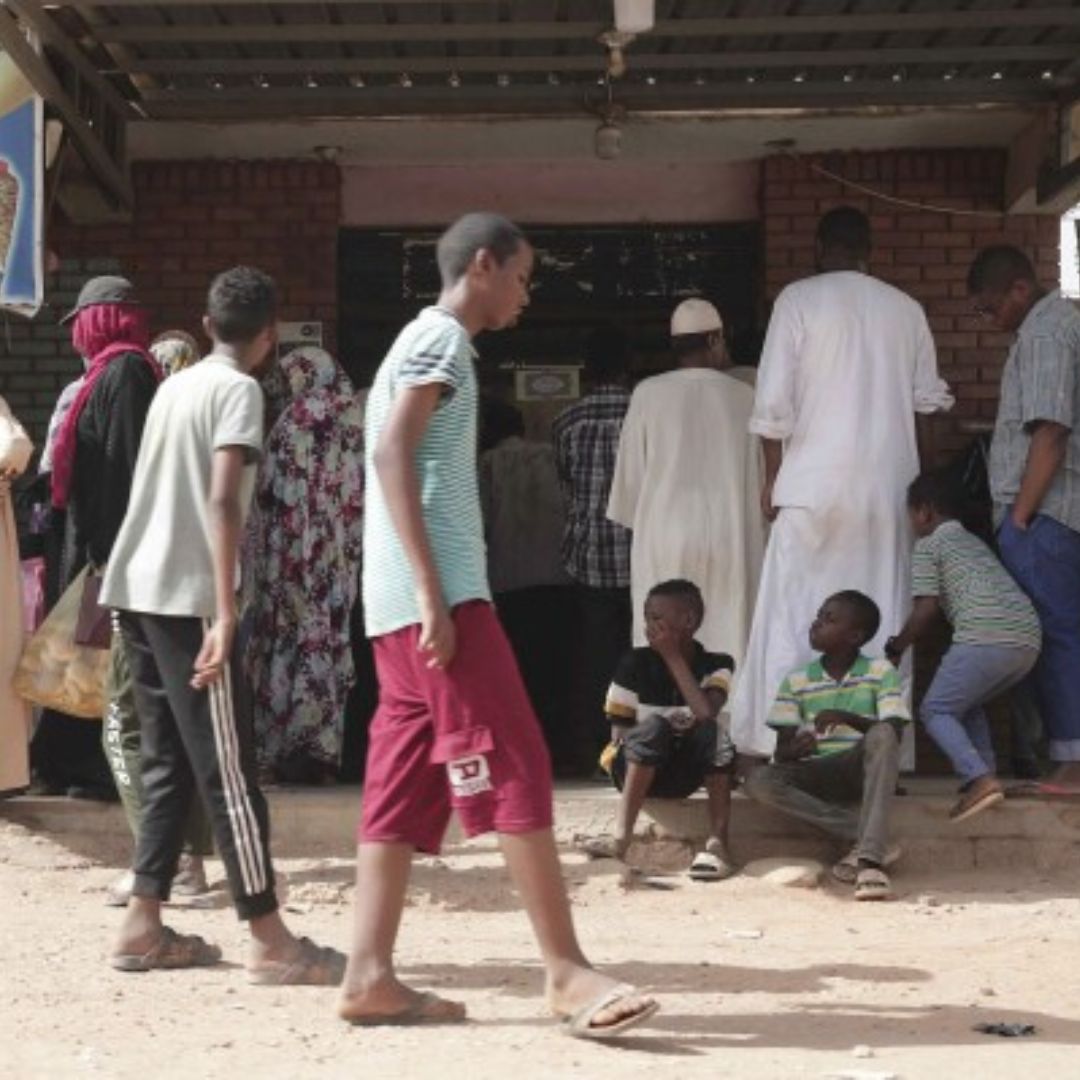
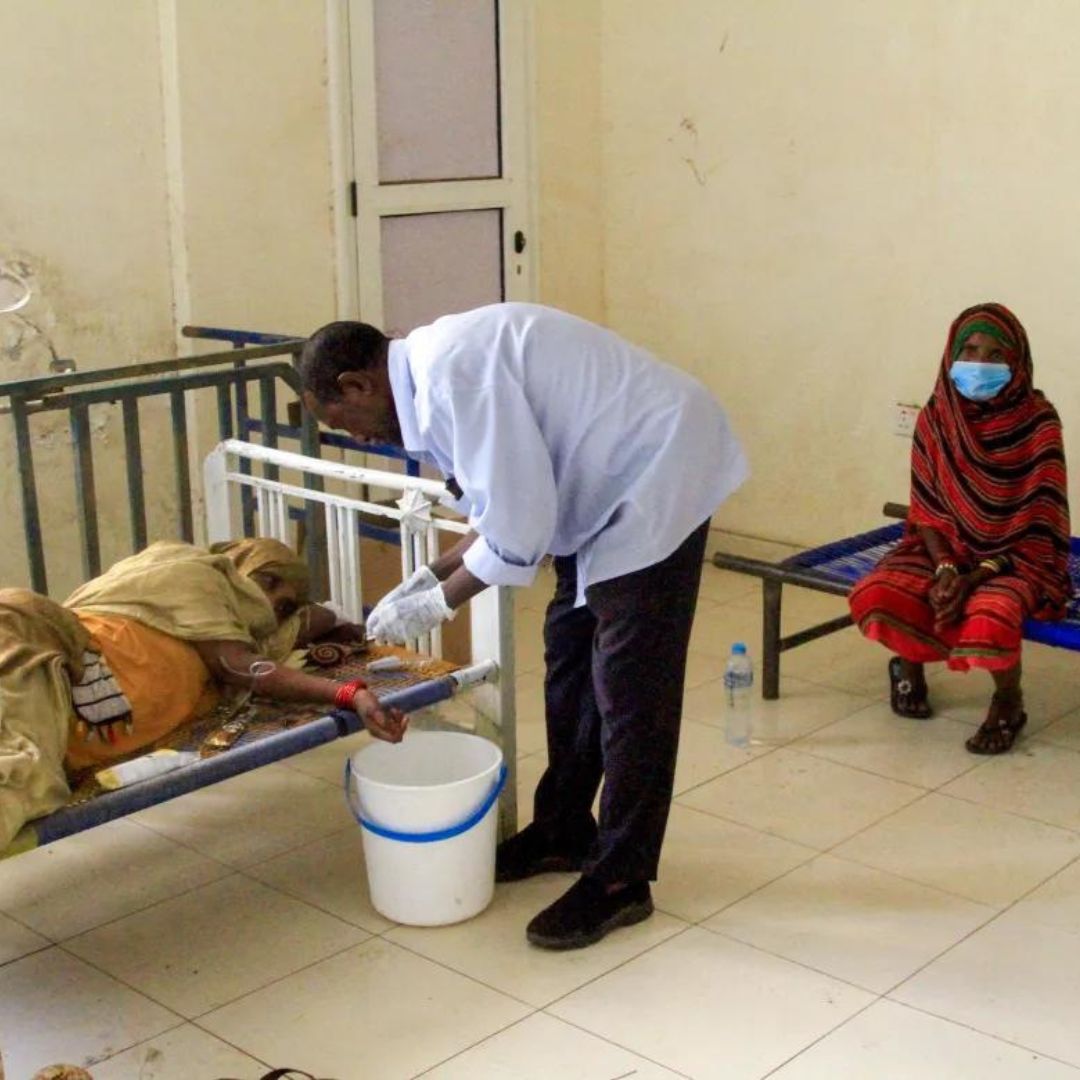
According to Sudan’s health ministry, more than 430 people have died from cholera in the past month as the country is still recovering from civil conflict.
The number of infections has grown to almost 14,000, it said in a statement. It declared that, “amid the rise in infections, it is doing all it can to combat cholera in the affected states.”
According to US special envoy to Sudan, Tom Perriello, the fighting has killed up to 150,000 people since it started last year, making it extremely difficult to get assistance to those afflicted areas.
According to the medical nonprofit Médecins Sans Frontières (MSF), they are “regularly obstructed by both warring parties, the humanitarian response remains far below what is needed”.
“Cholera claims hundreds of deaths in Sudan while war rages.”
According to a recent report from MSF, the health system in Sudan has crumbled, and the number of pregnant women and newborns passing away is “shocking.”
Since the army and a potent paramilitary group, the Rapid Support Forces (RSF), started a bloody power battle in April 2023, Sudan has been engulfed in conflict, resulting in what the UN has labelled one of the greatest humanitarian disasters in history.
Due to the inability to cultivate any crops, more than nine million people have been forced to leave their homes, and there are concerns about a potential global famine.
In the western part of Darfur, there have also been concerns of a potential genocide against non-Arabs.
The disease cholera spreads quickly and is extremely contagious. According to the World Health Organisation, it can result in dehydration, diarrhoea, and even death (WHO).
It is rather simple to treat, but you must act quickly. In mid-August, Health Minister Haitham Mohammed Ibrahim issued a cholera outbreak declaration.
In addition to the conflict, the cholera outbreak has been exacerbated by flooding and excessive rain, as well as overcrowding in camps for displaced people.
These factors, according to Esperanza Santos, MSF’s emergency coordinator for Sudan, had produced a “perfect storm” for the spread of cholera.
To stop the disease’s spread, some communities have ordered their schools, marketplaces, and retail establishments to close.
MSF reported that hundreds of children are starving and that it has counted 114 maternal deaths in the South Darfur region alone between January and August.
“The situation in South Darfur is a snapshot of what is likely unfolding at dreadful proportions across war-torn and isolated areas of Sudan,” said the report.
Sepsis has been reported in women and newborns due to a shortage of basic supplies including soap, sterile tools, and clean delivery mats.
Dr. Gillian Burkhardt, the South Darfur-based manager of MSF’s sexual and reproductive health, remarked, “This is a crisis unlike any other I have seen in my career.”