

Despite this week’s widespread bombing attack on Israel’s communication systems, the head of Hezbollah promised to continue daily attacks on the country and declared that Israelis forced from their homes near the border with Lebanon due to fighting would not be allowed to return until the war in Gaza is over.
As Hassan Nasrallah spoke for the first time since the deadly device bombings, which he called a “severe blow” and for which he pledged retaliation, Hezbollah and Israel launched new attacks across the border.
The two-days of assaults targeting thousands of Hezbollah pagers and walkie-talkies have been largely blamed on Israel, fuelling worries that 11 months of near-daily exchanges of fire between Hezbollah and Israel may develop into all-out war.
“As both sides trade strikes, the head of Hezbollah vows retaliation against the Israel for its attacks on devices.”
Hezbollah launched at least four strikes in northern Israel during the address, and earlier on Thursday, two Israeli soldiers lost their lives in a strike. While Nasrallah was speaking and breaking the sound barrier, Israeli jets swooped low over Beirut, scattering birds and forcing residents inside houses and workplaces to hurriedly open windows to save them from breaking.
On Thursday, Israel also carried out strikes in the southern region of Lebanon; the number of deaths was not immediately known.
Israeli officials have increased their threats in recent weeks of launching a bigger military campaign against Hezbollah, claiming they are committed to putting an end to the organization’s activities so that tens of thousands of Israelis may return to their homes close to the border.
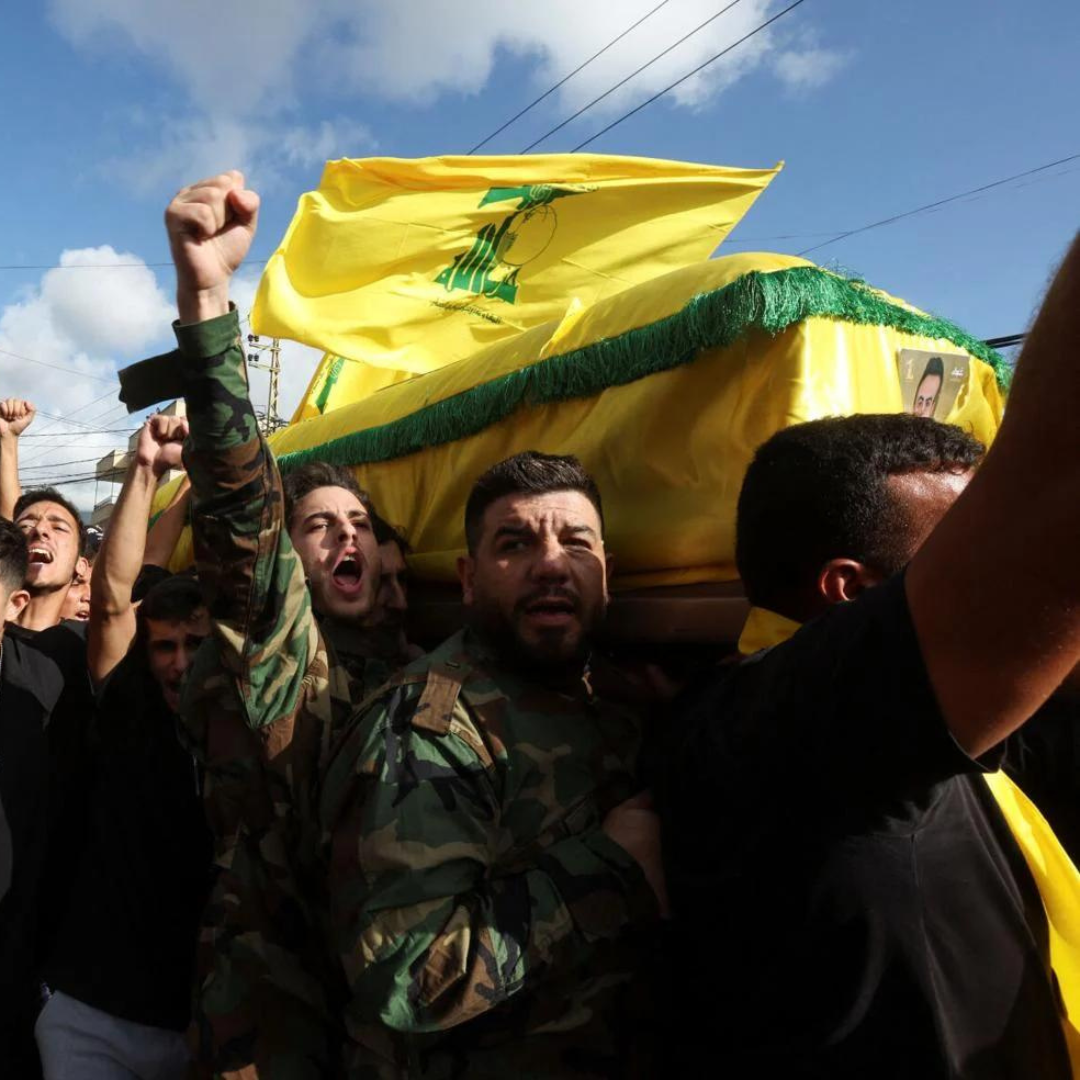
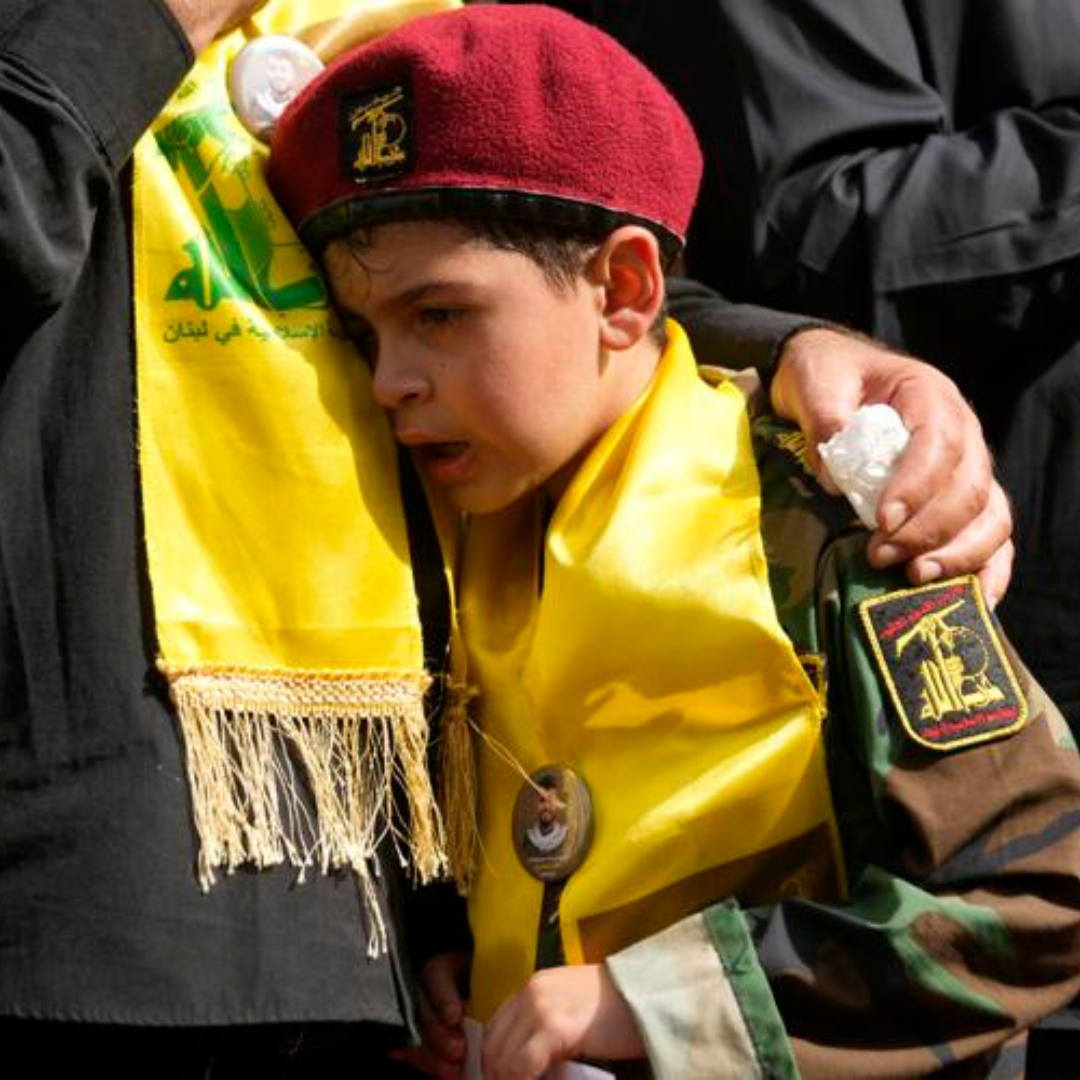
Although civilians were also targeted, the electronic device strike seemed to represent the climax of Israel’s months-long campaign to kill as many Hezbollah militants as possible at once. Following the blasts on Tuesday and Wednesday, there were over 3,000 injuries and at least 37 fatalities—including two toddlers.
According to Nasrallah, the organisation is looking into the execution of the bombs.
He acknowledged that “we were subjected to a huge and severe blow.” “All boundaries and red lines were crossed by the enemy,” he declared. He accused Israel of planning to kill thousands of people at once, pointing to the quantity of pagers and walkie-talkies. “Wherever they expect and don’t expect, the enemy will face a severe and just punishment.”
He declared that Israel would not be able to force its people to return to the border region and that Hezbollah will keep launching rockets into northern Israel as long as the conflict in Gaza lasts. He declared, “There is only one way to end the aggression against the people of Gaza and the West Bank.” “That will not be accomplished by strikes, assassinations, or full-scale warfare.”
Hezbollah claimed earlier on Thursday that it had used drones to attack three Israeli military locations close to the border. Eight persons were listed as having minor to serious injuries in Israeli hospitals. The military claimed to have hit many militant locations in southern Lebanon last night.
Hezbollah claims that its almost daily firing is an act of solidarity with Hamas. Since its militants spearheaded the onslaught on Israel on October 7, Israel and Hamas have been at war in Gaza for 11 months.
In response to Hezbollah’s fire, Israel launched attacks in southern Lebanon and targeted key members of the organisation in Beirut, the group’s capital. Tens of thousands of people have been forced to evacuate on both sides of the border as a result of the exchanges, which have claimed hundreds of lives in Lebanon and dozens in Israel.
Israel and Hezbollah have consistently retreated from a full-scale conflict despite strong prodding from the US, France, and other nations.
However, Israeli officials have stated that they are committed to drastically altering the current situation in their most recent threats.Israeli Defence Minister Yoav Gallant told Israeli troops on Wednesday, “We are at the beginning of a new phase in the war; it requires courage, determination, and perseverance.” While praising the efforts of Israel’s army and security services, he said, “the results are very impressive,” without mentioning the detonating explosives.
Gallant stated that “the centre of gravity is shifting to the north by diverting resources and forces” following months of fighting Hamas in Gaza.As a precaution, Israel started deploying extra troops to its border with Lebanon on Wednesday, according to Israeli officials. Plans for further action against Hezbollah have been developed, according to Israel’s army leader, Lt. Gen. Herzi Halevi, while the media claimed the government has not yet made up its mind on carrying out a significant offensive in Lebanon.
Following the tragic device strikes on Tuesday and Wednesday, Lebanon is still in shock.
The blasts have made Lebanese people uneasy, as they fear a full-scale conflict. While the nation’s civil aviation authorities have prohibited pagers and walkie-talkies on any aircraft leaving Beirut’s international airport until further notice, the Lebanese Army has stated that it has been tracking down and detonating suspicious pagers and communication devices.
Hezbollah’s internal communication was probably going to be significantly disrupted as a result of the strike as they try to figure out safe ways to communicate with one another. Hezbollah said on Thursday that five fighters had died, although it did not say if they perished in the explosions or in the front lines.
The explosions occurred wherever the people carrying the pagers or walkie-talkies happened to be in various locations throughout Beirut, eastern and southern Lebanon, in cars, homes, cafes, grocery stores, and even at funerals for some of the people killed in the bombings, frequently with family and other onlookers in close proximity.
Numerous people had their hands severely damaged or had huge wounds on their faces, hands, and abdomens. The pager blasts on Tuesday left almost 2,300 people injured and 12 dead, including two toddlers. According to Health Minister Firas Abiad, who provided updated statistics, the explosion the next day claimed 25 lives and injured over 600 more.
Because the walkie-talkies that burst on Wednesday were larger than the pagers, Abiad informed reporters that the injuries sustained the day before were not as serious. He complimented Lebanon’s hospitals, stating that they had handled the influx of injured patients in a matter of hours. “The onslaught was indiscriminate. He declared, “It was a war crime.”
Source: AP