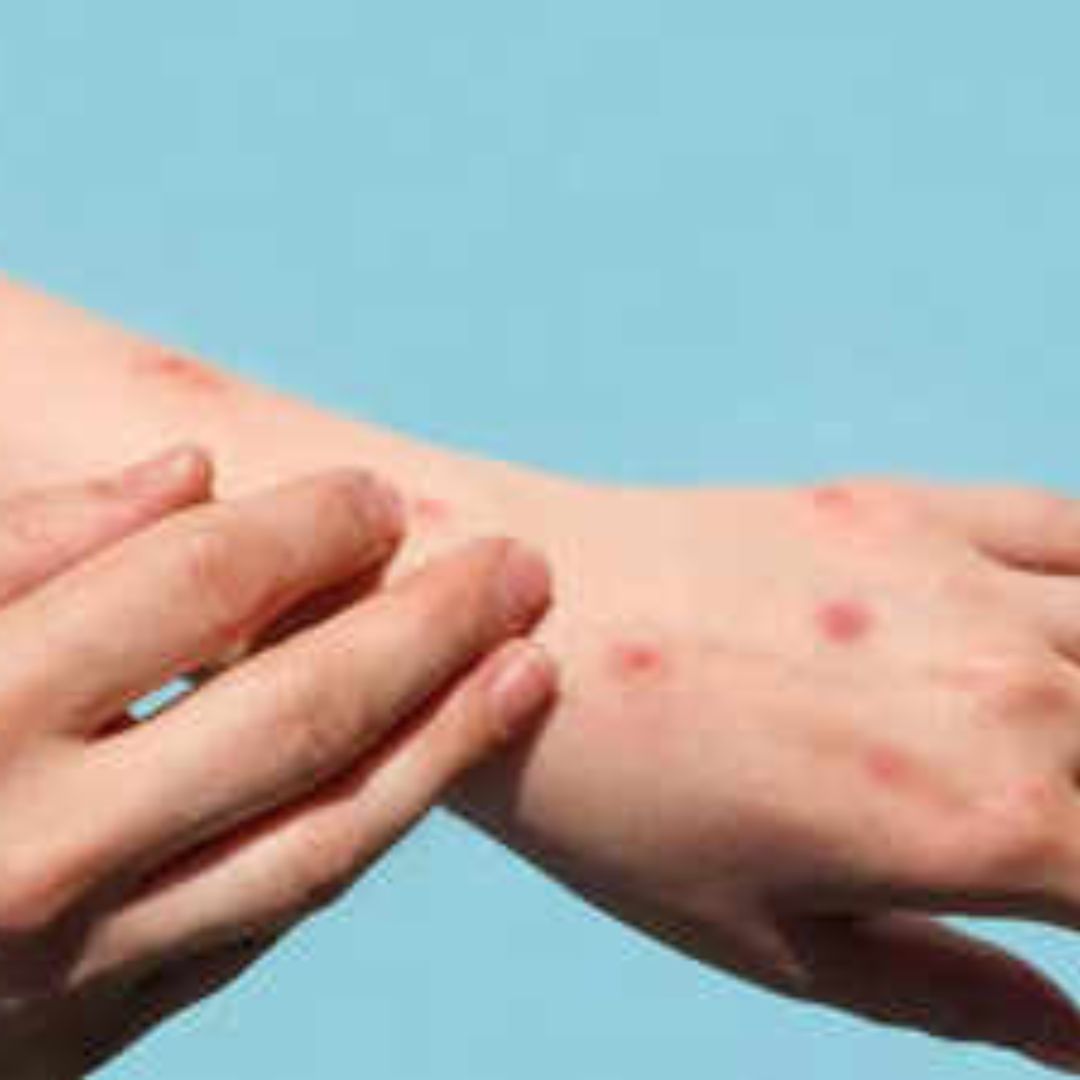
The leading health organisation on the continent has declared a public health emergency in Africa due to the highly contagious disease known as mpox, which was formerly known as monkeypox.Researchers from the Africa Centres for Disease Control and Prevention (Africa CDC) claim that the rapidity with which a novel mpox strain has been spreading is concerning.
In the Democratic Republic of the Congo, there have been over 13,700 cases and 450 deaths reported since the year’s beginning.The virus, which can cause lesions all over the body, has made its way to Rwanda, Kenya, Burundi, and the Central African Republic (CAR).Governments can coordinate their response and possibly enhance the flow of medical supplies and aid into impacted areas by declaring a public health emergency.
“Africa declared a public health emergency due to mpox.”
Jean Kaseya, the director of the Africa CDC, issued a dire warning: if prompt action is not taken to contain the disease, it may get out of control. This statement is more than just a formality. That’s a very clear call to action. It is an acknowledgement that being reactive is no longer an option. In order to contain and get rid of this threat, we need to work quickly and aggressively,” he stated.
Health chiefs from other continents will also be keeping an eye on the situation to determine how likely it is that the outbreak will spread.The European Centre for Disease Prevention and Control declared on July 29 that there was “very low” risk of mpox infection in Europe.
Humans can contract mpox from animals if they come into close contact with an infected person. This can happen through intimate contact, sex, skin-to-skin contact, or close breathing.It may result in symptoms like fever, aches in the muscles, and lesions all over the body. MPV can be fatal if treatment is not received.
The virus is known to exist in two primary strains. The milder one, which was mostly transmitted through sexual contact, was the cause of the global outbreak in 2022 that impacted the US, Europe, Australia, and many other nations.The newly found variant in the Democratic Republic of the Congo is caused by the second, more deadly strain that is endemic in central Africa.
There are three vaccines available, but they are typically only given to those who are at risk or who have had close contact with an infected person.
According to Dr. Kaseya, plans were in place to obtain roughly 10 million doses in order to stop the disease’s spread throughout Africa.