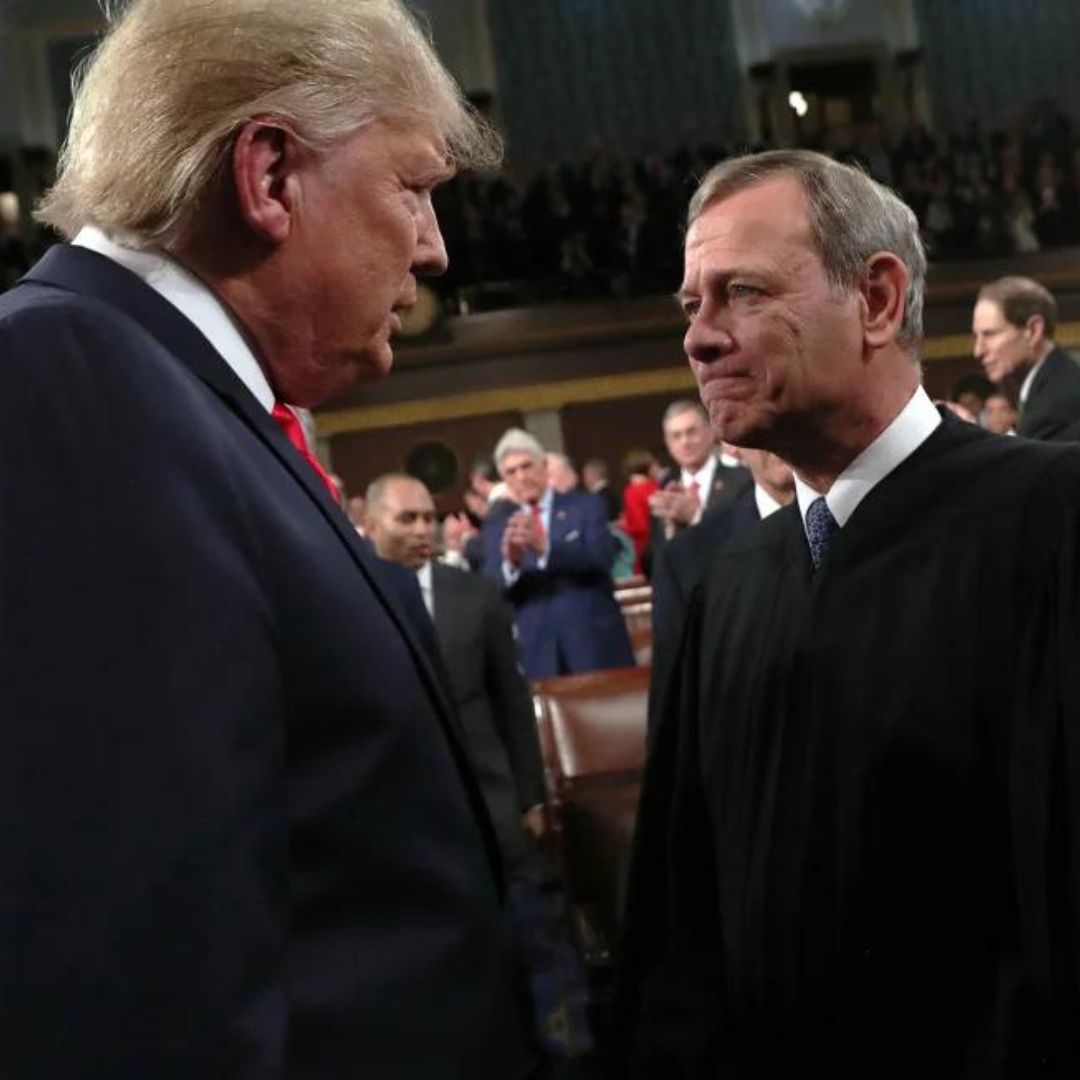
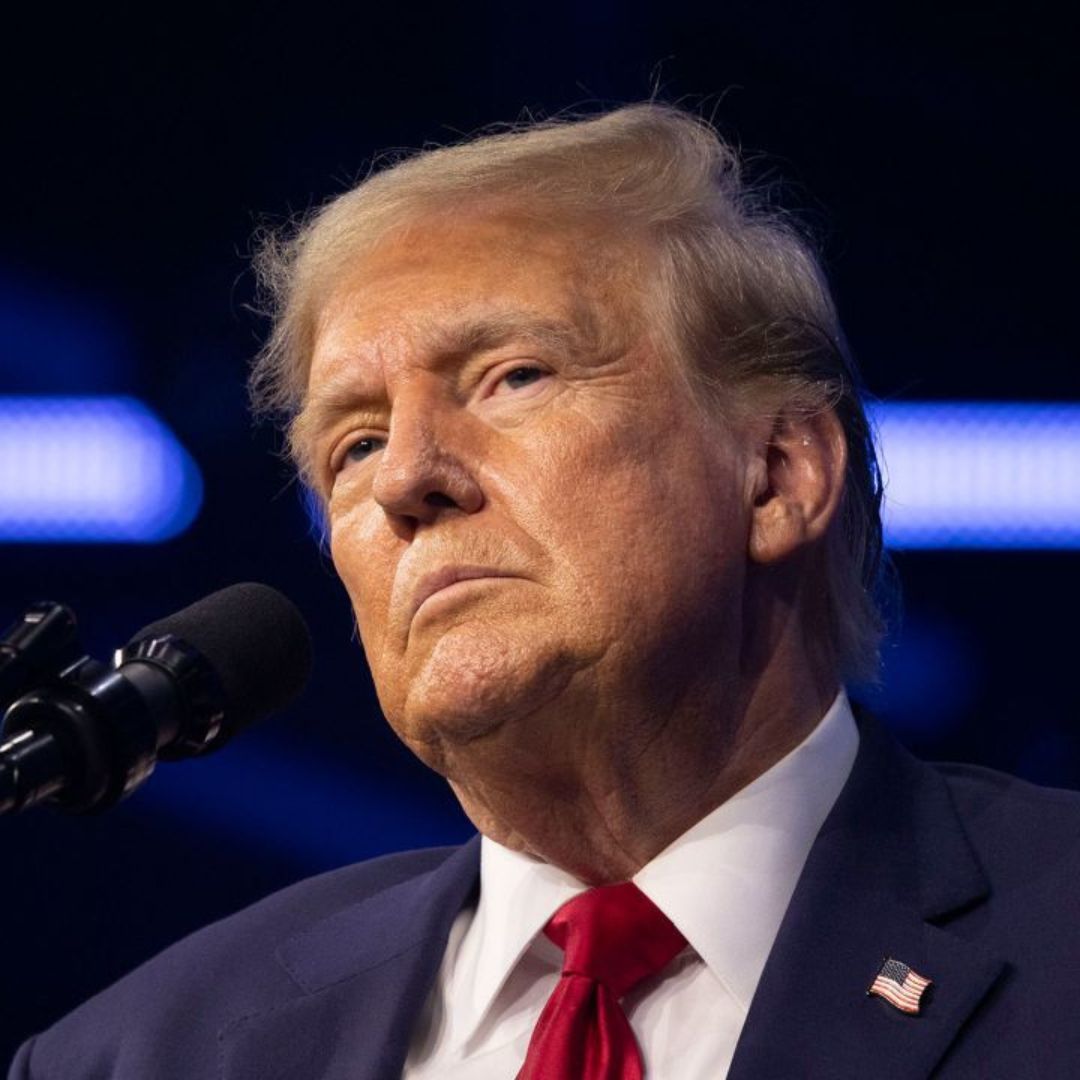
In order to allow Donald Trump’s attorneys to contest his conviction following a Supreme Court decision, a New York judge postponed the president’s sentence until September.
The original plan was for Trump’s sentencing to occur on July 11. Following the ruling on Monday by the nation’s highest court that former presidents had partial immunity for “official” acts during their presidency, his legal team requested that his conviction in a hush-money case be overturned.
On Tuesday, Justice Juan Merchan declared that he would rule on the motions by September 6. The judge noted that if sentencing is required, it will happen on September 18.
“September is when the Trump hush-money case sentencing will take place.”
As the first former president to be found guilty of a felony, Trump was found guilty in May of 34 counts of falsifying business records by a jury in New York.
According to the prosecution, Trump paid back his fixer, Michael Cohen, hush money to a porn star who said she had an affair with him. The funds were disguising themselves as legal expenses in order to conceal their payment on election eve in 2016. Of Trump’s four criminal cases, this is the first one that will go to trial.
Shortly after Justice Merchan’s decision, Trump claimed in a post on Truth Social that the delay was “TOTAL EXONERATION!” and that it “ends” the “witch hunts against me.” But the ruling does nothing more than put the proceedings on hold while the judge makes his decision.
The Supreme Court issued a stunning decision on Monday, holding that Trump and other former presidents were immune from prosecution for their “official acts.”
The challenge was prompted by a federal criminal case against Trump, which claimed he was attempting to rig the 2020 election results. However, it might affect Trump’s other legal disputes as well.
Trump’s attorneys in the New York case moved swiftly to reverse the May conviction in an attempt to take advantage of the Supreme Court’s ruling. They claimed that because some of the case’s key evidence and events occurred while Trump was president, the Supreme Court’s decision matters in this particular instance. In response, the Manhattan District Attorney’s Office—which brought charges against Trump—stated that the president’s argument was “without merit” and gave him until July 24 to respond. Legal experts, however, stated that Trump might have an uphill battle in this challenge.
According to Mark Zauderer, a New York appellate attorney, “the allegations in the New York fraud case in which Trump was convicted seem clearly to relate to unofficial conduct by Trump, none of which would seem to involve his official duties.”
"the allegations in the New York fraud case in which Trump was convicted seem clearly to relate to unofficial conduct by Trump, none of which would seem to involve his official duties."
“Trump will find it extremely difficult to win this argument in the New York case, even though he will be able to litigate his immunity defence in some of his cases.” Prosecutors established that Cohen paid adult film actress Stormy Daniels $130,000 to keep quiet about a fictitious 2006 sexual encounter with Trump at Trump’s request. The money was transferred while Trump was still running for the presidency.
Subsequently, beginning in early 2017, Trump paid Cohen back in installments and fraudulently claimed the payments as legal costs. Constitutional law expert Philip Bobbitt noted that persuading a judge that this behaviour qualifies as “official” presidential acts may prove challenging. He said to the BBC, “I just don’t see it.”