
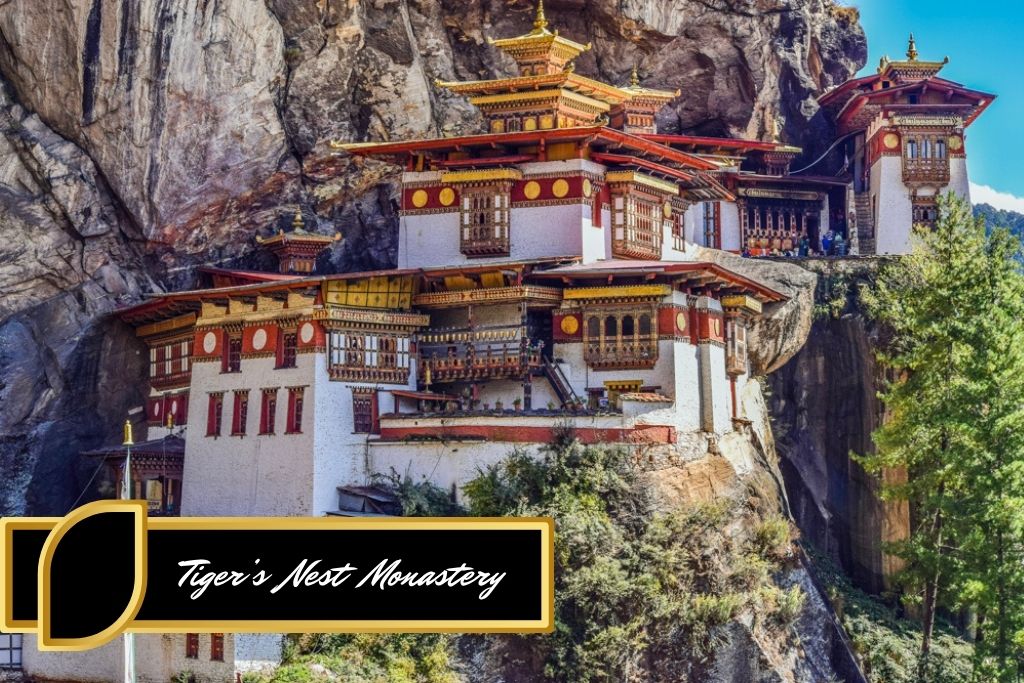
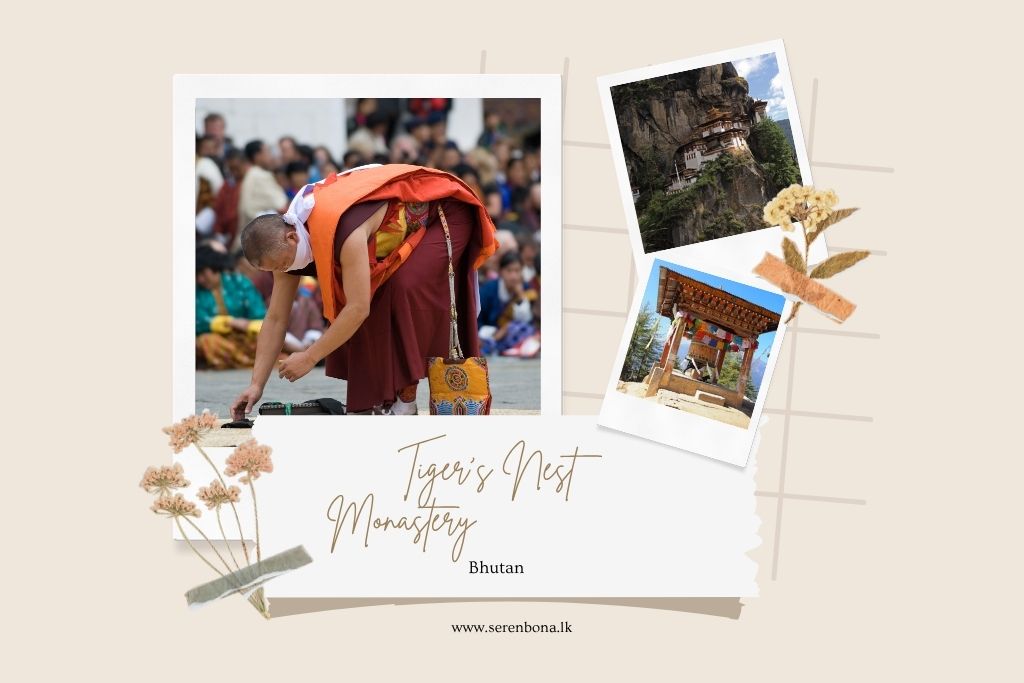
Tiger’s Nest Monastery, also known as Paro Taktsang, is a sacred Buddhist site located in Bhutan. Specifically, it is perched on the edge of a cliff in the Paro Valley, around 3,120 meters (10,240 feet) above sea level. This monastery is renowned for its breathtaking location and historical significance, symbolizing Bhutan’s rich cultural and spiritual heritage.
“Tiger’s Nest Monastery – Bhutan”
The monastery complex was built in 1692 around a cave where Guru Rinpoche, also known as Padmasambhava, is said to have meditated in the 8th century. According to legend, he flew to the site on the back of a tigress, hence the name “Tiger’s Nest.” This site is a revered pilgrimage destination for Buddhists and offers visitors a unique experience due to its stunning architecture, steep mountain path, and panoramic views of the Paro Valley.
Tiger’s Nest Monastery is immensely significant to tourists for several reasons:
Cultural and Spiritual Significance: The monastery is a central symbol of Bhutan’s Buddhist heritage. Visitors are drawn to the spiritual ambiance and the opportunity to learn about Bhutanese traditions, meditation practices, and the legend of Guru Rinpoche, who is believed to have introduced Buddhism to Bhutan from this very site.Stunning Architecture and Location: Clinging to a steep cliff at over 3,000 meters, the monastery’s architecture and design appear surreal, making it an unforgettable sight. This unique setting and architecture draw tourists from around the world, eager to see one of the world’s most remarkable religious sites in person.
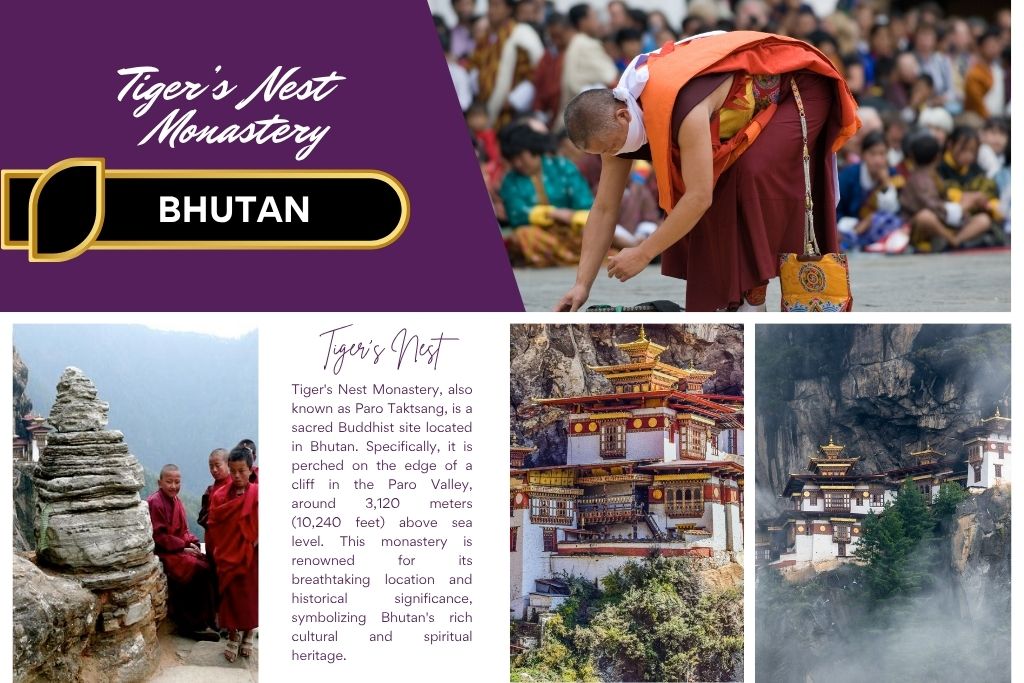
Adventure and Scenic Trekking: The hike to Tiger’s Nest offers an adventurous experience through picturesque pine forests, prayer flag-lined trails, and scenic viewpoints. The trek is moderately challenging, giving tourists a sense of accomplishment and connection with Bhutan’s rugged natural beauty.Photography and Iconic Views: As one of Bhutan’s most photographed landmarks, Tiger’s Nest Monastery provides photographers with a perfect subject. Its dramatic placement on the cliffside against a mountainous backdrop creates opportunities for breathtaking photographs.
A Sense of Serenity: For many, the monastery offers an escape from fast-paced life. The serene environment, combined with the sacredness of the site, provides tourists with a rare chance for reflection and meditation.
Tiger’s Nest is not only a journey into Bhutan’s religious and cultural heart but also an immersive travel experience that leaves a lasting impression on all who visit.
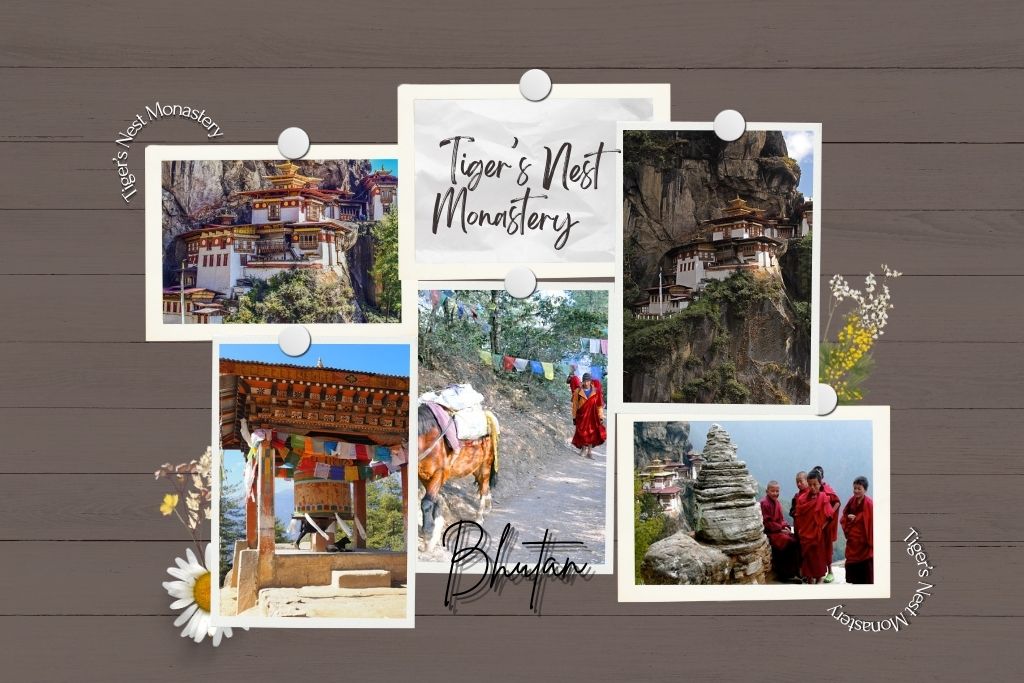
tourists can visit Tiger’s Nest Monastery safely, but it does require preparation due to its challenging location. Here are some key points about safety and accessibility:
Guided Tours: Most tourists visit with a local guide through organized tours, which are highly recommended. Guides not only provide insights into the monastery’s history but also ensure tourists stay safe on the steep paths.Physical Fitness: The hike to Tiger’s Nest is about a 2-3 hour uphill trek and can be physically demanding due to the altitude and incline. Moderate fitness is helpful, and it’s best to go at a steady pace. Tourists are encouraged to take breaks, drink plenty of water, and avoid rushing.Trail Safety: The trails are well-maintained, with clear markers and steps for steep sections. The final stretch includes narrow paths and stone staircases, which require careful footing.
Altitude Considerations: Since the monastery is over 3,000 meters (10,240 feet) high, some visitors may experience mild altitude effects. It’s best to acclimatize in the Paro Valley for a day or two before attempting the hike and to stay hydrated.Horse Option: For those who may find the hike too strenuous, horses are available to take visitors up to a halfway point. From there, tourists must continue on foot.Weather Awareness: The best times to visit are spring (March-May) and fall (September-November) when the weather is milder and trails are more accessible. During monsoon season (June-August), trails may be slippery, so extra caution is advised.
With these safety considerations in mind, most tourists complete the Tiger’s Nest tour safely and find the experience incredibly rewarding.
Tiger’s Nest Monastery is about 10-12 kilometers (6-7.5 miles) from Paro, the main city in the Paro Valley of Bhutan. By car, it takes roughly 20-30 minutes to reach the trailhead from the city center. Once at the trailhead, visitors begin a 2-3 hour hike up to the monastery itself, which covers an additional distance of around 4-5 kilometers (2.5-3 miles) one way, with an ascent of about 900 meters (3,000 feet).
Yes, the Bhutanese government requires visitors to purchase an entry ticket to visit Tiger’s Nest Monastery (Paro Taktsang). As of recent years, the entrance fee for foreign tourists is 2,000 Bhutanese Ngultrum (Nu) per person, which goes toward preserving the monastery.
Ticket Details: Point of Purchase: Tickets are usually available at the base of the trek before the hike begins.Validity: The ticket is valid for a single entry on the day of purchase.Exemptions: Children under 5 years old can enter free, while those 5 and above need a ticket.
It’s always recommended to check for any updates on ticket prices or requirements, as these may change over time.
along the hike to Tiger’s Nest Monastery, there are a few rest stops and a notable cafeteria where visitors can rest, rehydrate, and enjoy some refreshments. Here’s what you can expect:
Rest Stops: There are a few designated points along the trail where visitors can pause to rest. These stops are perfect for catching your breath, enjoying the view, and adjusting to the altitude.
Taktsang Cafeteria: Located about halfway up the trail, the Taktsang Cafeteria is the main rest stop and offers traditional Bhutanese food, tea, coffee, and snacks. It’s a popular spot for a break because it offers beautiful views of Tiger’s Nest Monastery from a distance, making it a great place for photos and to recharge before continuing the trek.Scenic Spots with Benches: Closer to the monastery, you’ll find additional scenic spots with benches where you can stop for a few moments to rest and enjoy the view of the monastery nestled in the cliff.
These rest stops and the cafeteria make the trek to Tiger’s Nest more comfortable, allowing visitors to take the hike at a manageable pace and enjoy the journey up the mountain.
When visiting Tiger’s Nest Monastery, there are specific rules and guidelines to ensure safety, respect for the sacred site, and preservation of the environment:
Dress Code: Visitors must dress modestly as the monastery is a sacred site. This means covering shoulders and knees, and avoiding hats or caps inside the monastery.No Photography Inside: While you can take photos on the trail and near the monastery, photography is not allowed inside the monastery buildings.Remove Shoes: Shoes must be removed before entering the monastery. There are designated areas to leave your shoes outside.
Maintain Silence and Respect: This is a place of worship, so tourists are encouraged to speak softly and avoid loud conversations. Respect for monks, pilgrims, and the religious practices taking place is essential.No Smoking or Alcohol: Smoking and alcohol are strictly prohibited on the trail and within the monastery grounds.
Stick to the Path: For safety and preservation, tourists should stay on the marked paths and avoid taking shortcuts that may erode the trails or damage the environment.Respect Wildlife and Nature: Littering is strictly prohibited. Carry any waste back down the trail and dispose of it responsibly to help keep the area clean and natural.Health and Safety Precautions: Given the altitude and difficulty of the hike, it’s advised to stay hydrated, take breaks, and avoid overexertion.
These rules help ensure a safe, respectful, and enjoyable visit for all, while protecting the cultural and natural integrity of Tiger’s Nest Monastery.
Andrew Charles