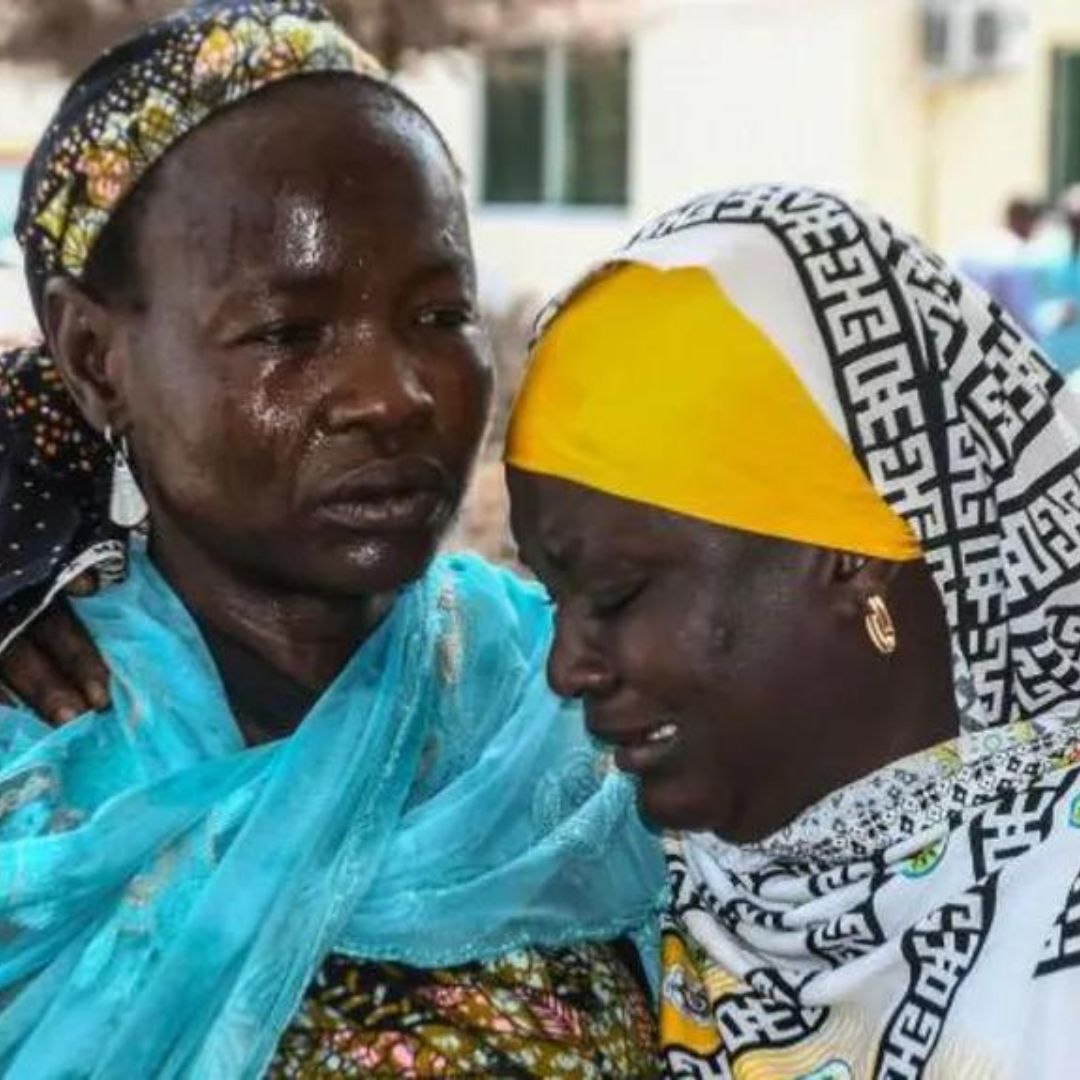
In Borno State, northeastern Nigeria, a funeral, a hospital, and a wedding were the targets of multiple explosions by alleged female suicide bombers that resulted in at least eighteen fatalities and numerous injuries.
Saturday saw three explosions in the town of Gwoza, which is located across the Cameroonian border, a spokesman for the Borno State police said on Sunday, Nahum Kenneth Daso.
A woman carrying a baby on her back “detonated an improvised explosive device (IED) she had on her at a crowded motor park” during one of the attacks, which happened at roughly 3:45 p.m. (14:45 GMT), according to Daso.
“Numerous injured and at least eighteen dead in Nigerian suicide attacks”
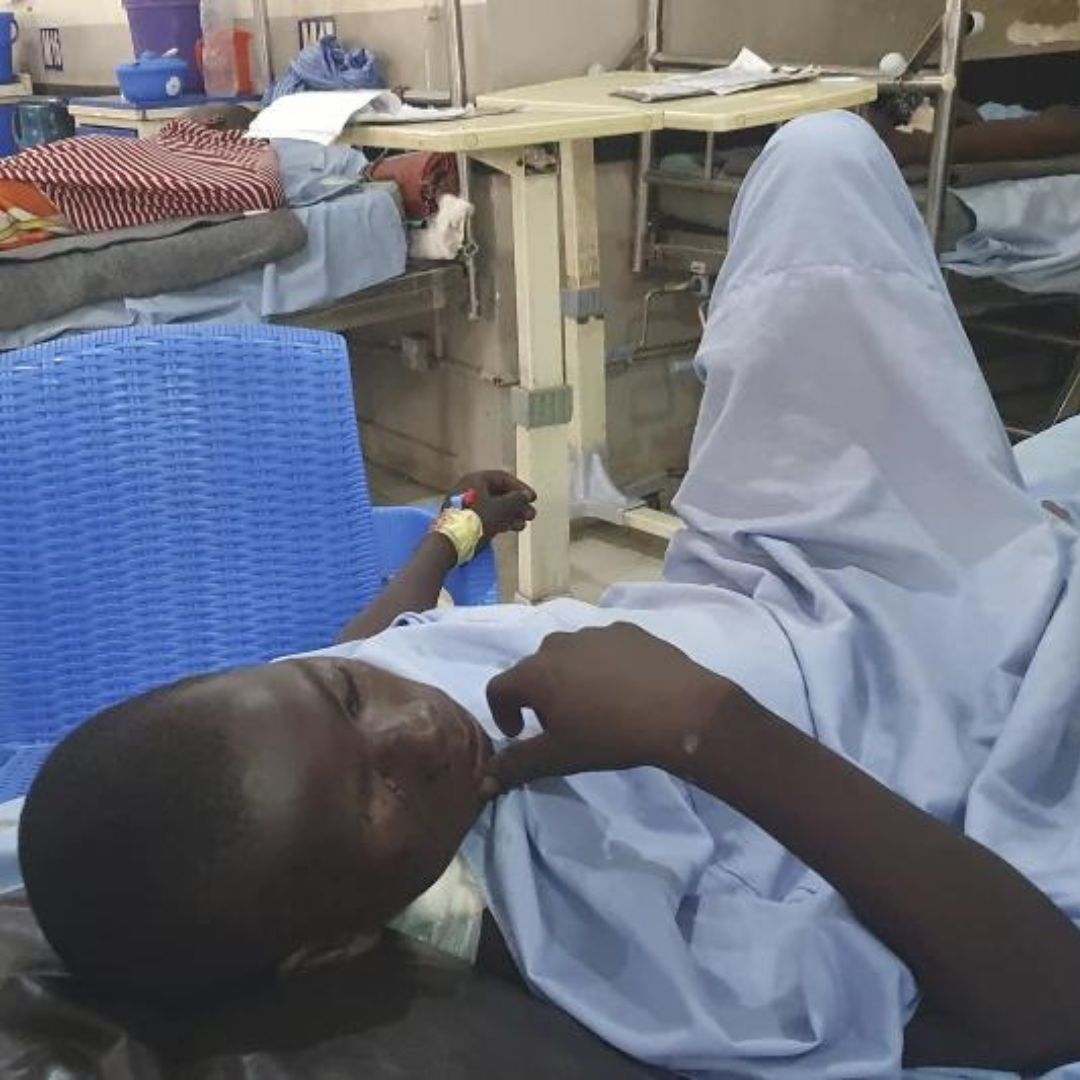
According to reports, a hospital in the same town was also targeted by the suicide bombers. Authorities said that a second attack was later carried out at the wedding blast victims’ funeral.
According to a report by agency head Barkindo Saidu, “so far, 18 deaths comprising children, men, females, and pregnant women” have been reported. Thirty-three others were waiting to be evacuated, and nineteen “seriously injured” individuals were transported to Maiduguri, the regional capital.
A militia member supporting the military in Gwoza said that in an additional attack on a security post, two of their colleagues and a soldier also perished. Authorities did not, however, confirm the deaths right away.
As of yet, no organisation has taken credit for the attacks.
A 15-year period of violence that has claimed thousands of lives and displaced millions more has left Borno, a sizable region of rural hinterland the size of Ireland, scarred.
Even though the armed groups’ capabilities have been diminished by the Nigerian military, they continue to launch lethal attacks against civilians and security targets. The deadliest mass murder by suicide bombers in the region occurred in 2019, when a triple suicide attack claimed the lives of thirty people.
The two most active armed groups in Borno are Boko Haram and its splinter organisation, the Islamic State West Africa Province (ISWAP).
Boko Haram has frequently used young women and girls to carry out suicide attacks during the armed insurrection. In 2014, when its fighters captured large areas of northern Borno, it took control of Gwoza.
The group has continued to launch attacks from mountains close to the town even after the Nigerian military, with assistance from Chadian forces, retook the town in 2015. In the northeast of Nigeria, the violence has claimed the lives of over 40,000 people and forced about two million more to flee.
Due to the conflict’s spread to neighbouring Niger, Cameroon, and Chad, a regional military coalition was formed to combat the armed groups.