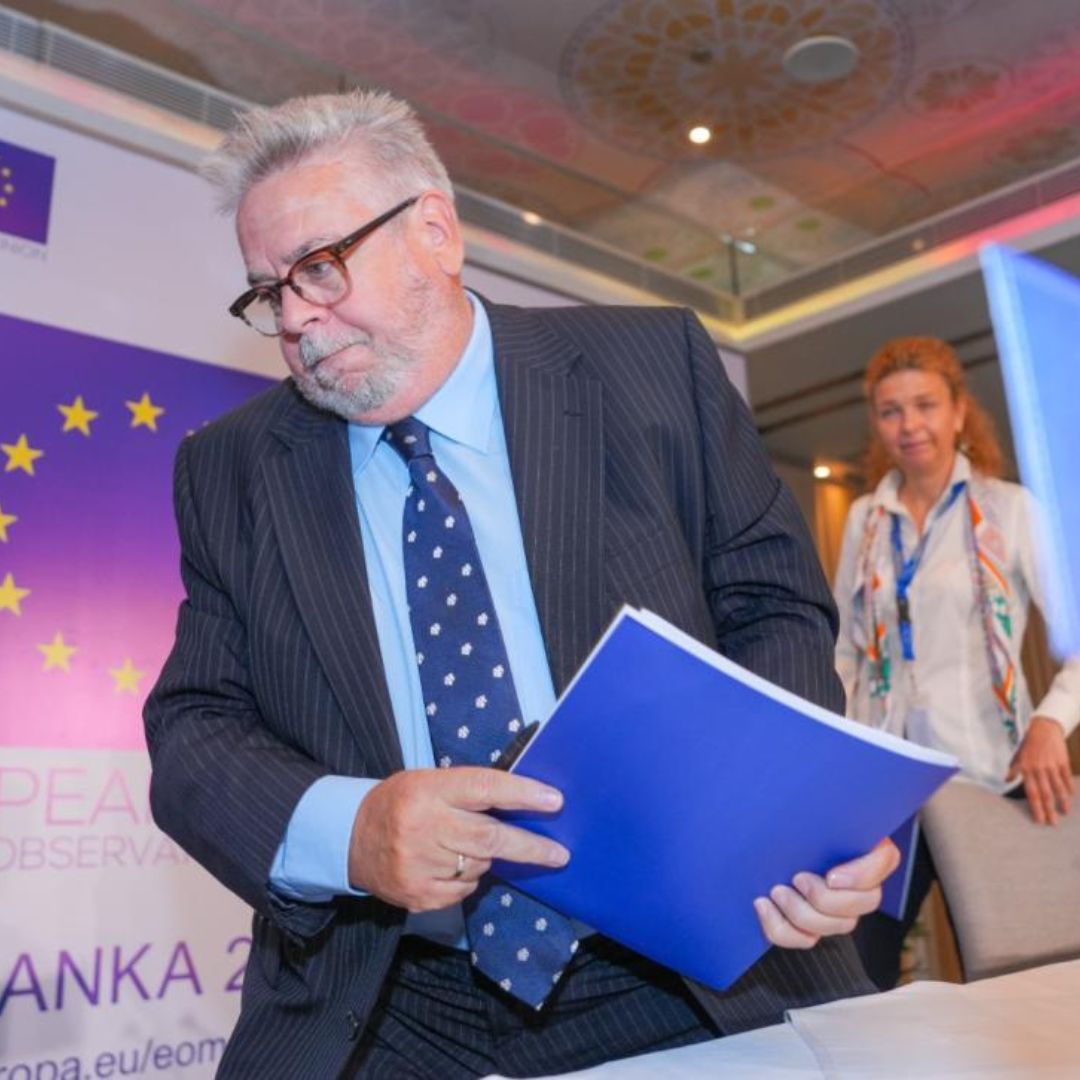
On Thursday, 26 long-term observers (LTOs) were sent to each of Sri Lanka’s nine provinces by the European Union Election Observation Mission (EU EOM) for the country’s presidential election.
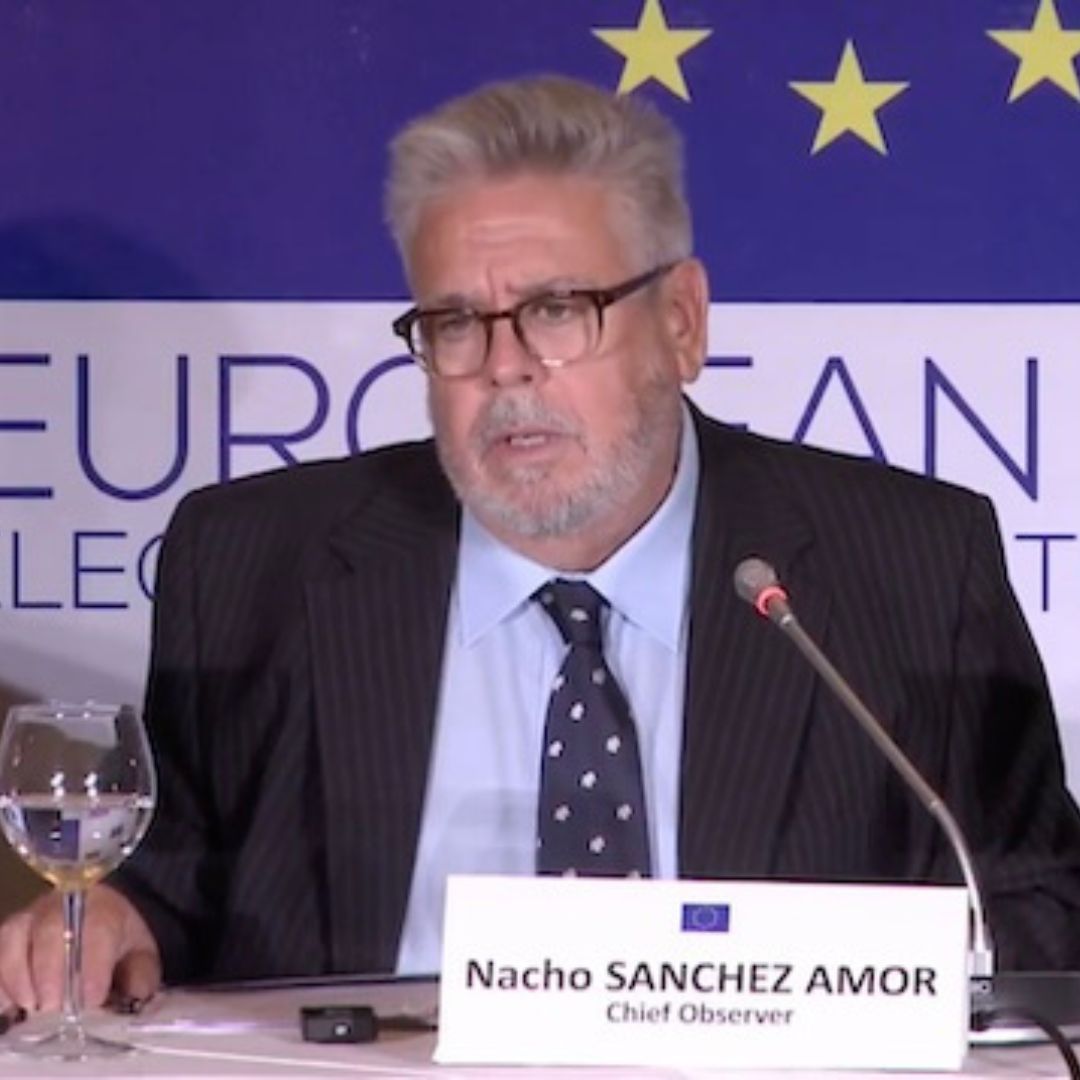
Our mission’s long-term observers are an essential component. Our unbiased and fact-based assessment of the election process will be built upon their observations and insights, according to Chief Observer and European Parliament member Mr. Nacho Sánchez Amor.
“26 long-term observers are sent by the EU EOM to Sri Lanka to all nine provinces.”
By using its reliable and well-proven long-term nationwide observation methodology, the EU will be able to provide a comprehensive and impartial analysis of the election process. Multinational teams of two observers have been sent to each of Sri Lanka’s nine provinces, where they will interact with citizens, politicians, election officials, and officials from the political community in both large and small towns and villages.
Long-term observers will be closely monitoring the most important aspects of the regional election. These include the work done by the local election administration, election day preparations, campaigning, and election-related activities by the media and civil society organisations. Their observations will aid in the analysis conducted by the EU EOM’s Colombo-based core team experts.
The observers are chosen from partner nations and EU members. Have received in-depth briefings on the political climate, the legal system, the media, and the social landscapes of Sri Lanka prior to deployment.
The Sri Lankan Election Commission extended an invitation for this mission to be deployed. Chief Observer Mr. Nacho Sánchez Amor, who will formally inaugurate the mission at a press conference in Colombo on August 30, is in charge of the EU EOM.As election day draws near, the mission will be reinforced even more with the addition of 32 short-term observers and observers from partner countries and EU member state diplomatic missions who will all be present to witness the voting, tallying, and tabulation of results.
Two days following election day, the EU EOM will hold a press conference to announce its preliminary findings. After the entire election process is over, a final report with suggestions for future electoral processes will be released and given to the relevant authorities.A code of conduct that mandates strict neutrality and non-interference binds the EU EOM. It carries out its operations in compliance with the 2005 UN-endorsed Declaration of Principles for International Election Observation.