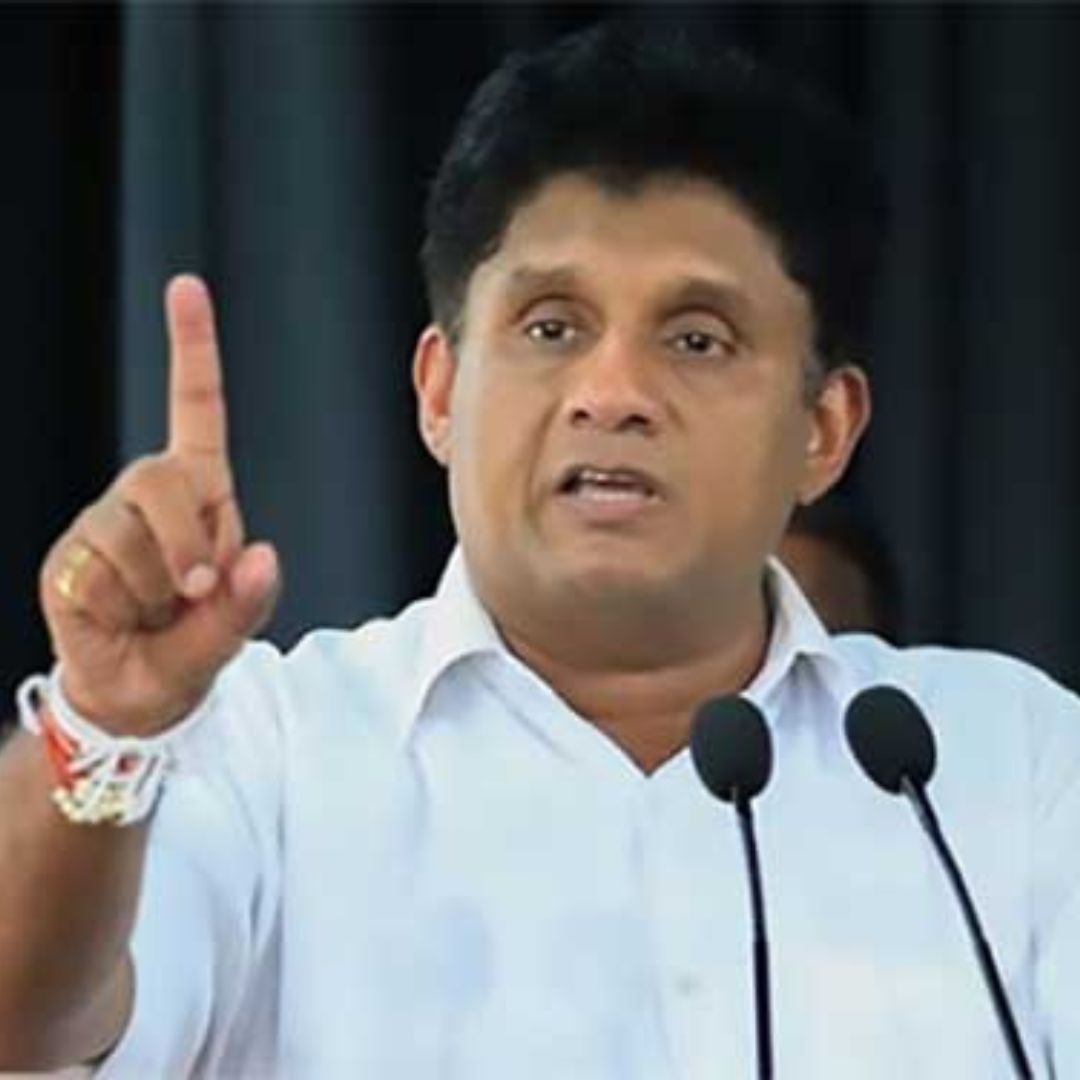
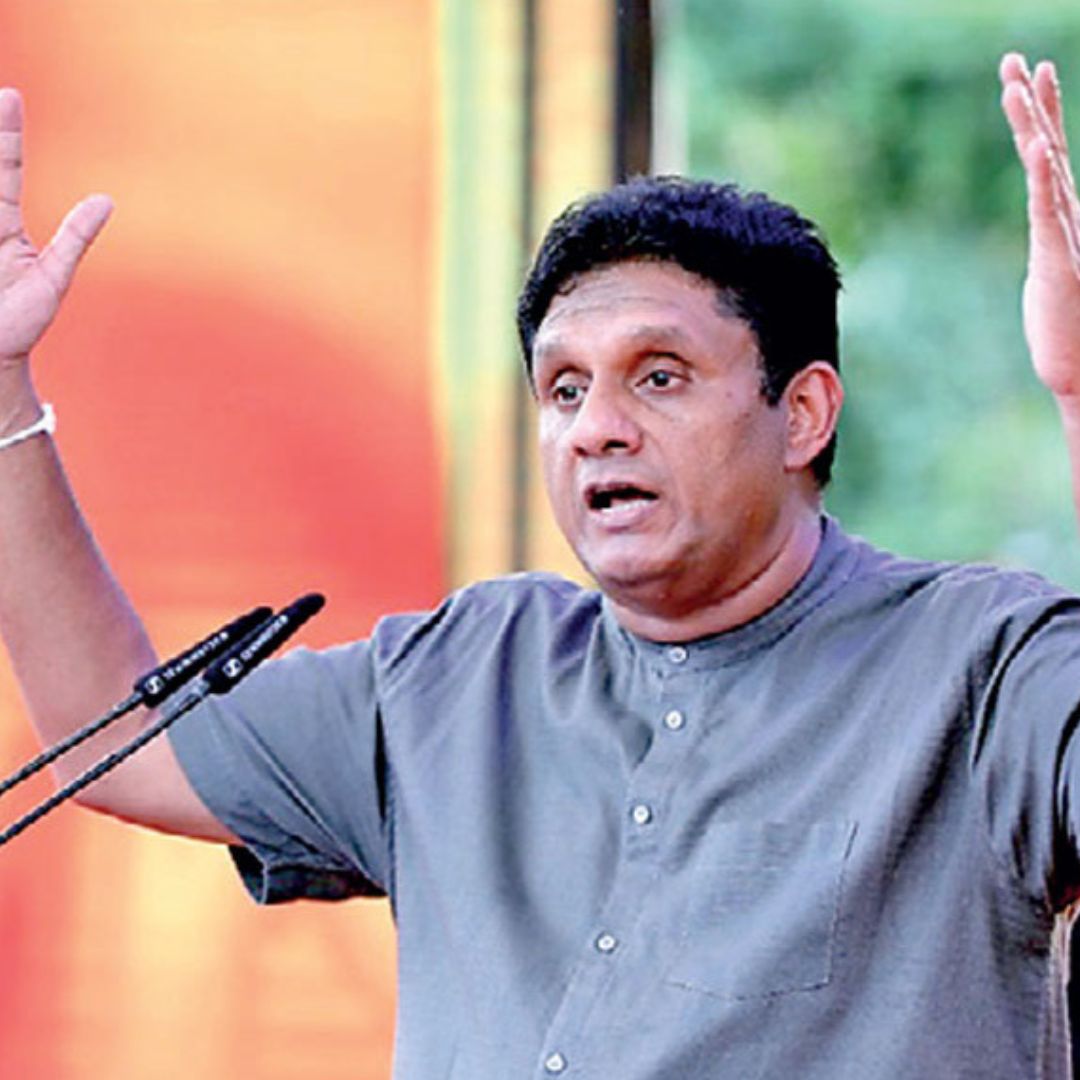
Yesterday (02), Sajith Premadasa, the leader of the opposition and SJB, testified in parliament that the government had not been able to negotiate the best possible terms for the debt restructuring process.
Premadasa claimed that the government had not succeeded in obtaining the best possible deal during the debt restructuring process, shortly after the President had made a special statement to the House. The travelling president had the opportunity to use his trips to Sri Lanka to negotiate the best possible deal. Premadasa stated, “The President claims that the government is acting in the best interests of this country, but there are significant problems with financial restraint, deliverance, and its commitments.
According to Premadasa, the government has not yet been able to give the House access to the bilateral agreements it has signed regarding the debt-restructuring procedure.
“Restructuring debt: Sajith claims Prez was unable to get the best deal”
It was untrue of the President to say that Sri Lanka had been able to reach debt restructuring agreements earlier than other nations experiencing comparable economic crises. The leader of the opposition claimed that nations like Ghana, Argentina, Ecuador, Barbados, Belize, Mongolia, and Chad were successful in signing debt-restructuring deals before Sri Lanka.
“We anticipated that the President would provide all relevant information regarding the agreement for debt restructuring. But no such presentation was made. We are awaiting word on Sri Lanka’s ability to restructure the debts in a way that benefits this nation. Premadasa stated, “We have not yet determined if the current administration would perform better in the debt restructuring agreement than Ecuador, Ghana, Argentina, and Venezuela.
“The President announced to the country that we will begin loan repayments in 2028. According to an IMF Debt Sustainability Analysis published in March 2023, Sri Lanka will be able to begin repaying its debts in 2033. We want to know how and why the government began this in 2028 and why they were unable to keep it until 2033. We believe this is the result of misunderstandings that arose during the talks.
“Without disclosing actual numbers, the President claims that the debt restructuring process has been successful. He said, for instance, that we owed the China Exim Bank US $3.9 billion in debt and that the bank had consented to restructuring. However, he made no mention of the US$538 million debt we owed the China Development Bank or the US$ 13.8 million debt we owed the Chinese government.
Premadasa claimed that the government was applying a “double standard” to both the poor people of the nation and holders of International Sovereign Bonds (ISBs) in the debt restructuring process. It appears that the government has given in to the ISB holders’ threats and pressure. It was made very evident in 2022 that the government would not reorganise the municipal debt. Nevertheless, the government took that action in response to the threats made by ISB holders. It plundered the money from the EPF and pension funds instead of even touching the extremely wealthy primary bond dealers.
"Double Standard"
The government declared in October 2023 that Value Recovery Instruments would not be used. Nevertheless, the government introduced Macro-link Bonds in response to pressure from ISB holders. It talked about equitable burden sharing and guaranteed comparability and transparency for holders of domestic bonds. However, ISB holders did not share the burden; rather, the government embezzled the money from EPF and pension funds belonging to the impoverished.
“In his remarks, the President questioned the good and bad accomplishments this government has made. Premadasa demanded to know whether the closure of MSMEs numbering in the hundreds of thousands, the departure of entrepreneurs from their professions, the collapse of the construction industry, the increase in malnutrition, the brain drain, the increase in unemployment, the increase in poverty, and the phenomenon of children fainting in schools due to lack of food were all good or bad.